Umaandar ang drill pero halos walang butas sa concrete wall? Baka hindi sira ang tool. Madalas, maling bit, maling mode, o maling material ang napipili—at minsan kailangan ng mas tamang drilling method.
QUICK ANSWER
For suitable ordinary masonry, use a masonry-rated bit and a compatible hammer-drilling setting where specified. For hard structural concrete, suitable rotary-hammer equipment and bit systems may be necessary. Do not use hammer mode on materials that require ordinary rotation, or assume every wall is solid concrete.
Before drilling: identify potential concealed electrical cables, pipes and structural restrictions. If uncertain, stop and get appropriate expert assistance.
01 / Know which wall you are drilling
Painted plaster may conceal concrete block, solid concrete, brick, reinforced concrete or a lighter partition. The wall material changes the correct bit and tool. Tap tests alone are not reliable enough to confirm hidden services or reinforcement.
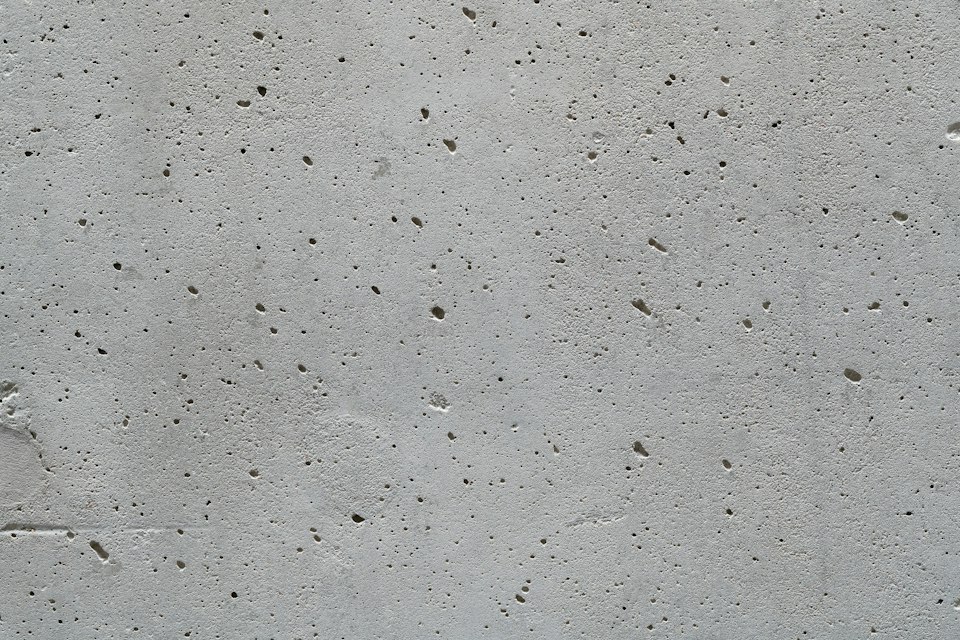
Start with a material check
- Drywall or light partition: a general drill and suitable fastening system may be appropriate; do not blindly use hammer mode.
- Ordinary brick or block: match the masonry bit, drilling mode and anchors to the substrate.
- Solid concrete: impact energy, bit quality and proper anchor choice matter.
- Reinforced concrete: avoid damaging reinforcement or structural elements; get competent advice before penetration.
02 / The bit matters as much as the drill
A wood bit or ordinary metal bit is not a substitute for a masonry bit. Use the bit type approved for your tool’s chuck or SDS system and the material being drilled. The wrong cutting tip overheats, slips, wears down or fails to progress.
Confirm the required hole diameter from the anchor manufacturer’s instructions, not from guesswork. Select a bit with the correct shank for your drill. Never force an incompatible SDS bit into an ordinary keyed or keyless chuck.

03 / Troubleshoot why your drill will not bite
| Symptom | What to check |
|---|---|
| Bit spins but makes little progress | Wrong bit type, blunt tip, or wrong mode |
| Bit stops at a hard spot | Aggregate, possible reinforcement, or unsuitable equipment; stop if unclear |
| Hole is too wide or crumbles | Substrate, bit diameter, drilling method and anchor selection |
| Tool overheats or vibrates excessively | Stop, check bit/tool condition, duty rating and manufacturer instructions |
04 / Drill safely and install the right fixing
Wear manufacturer-recommended eye, hearing and respiratory protection. Control dust using suitable extraction and cleaning methods; silica-containing dust is hazardous. Isolate hidden electrical and plumbing hazards before drilling. Use both hands when required and never exceed the tool or bit manufacturer’s limits.
After drilling, clean the hole as specified by the anchor maker, insert the approved anchor for that substrate, and respect load limits and edge distances. Heavy shelves, suspended fixtures and overhead anchors may call for engineered fixing guidance.
05 / Choosing tools at SAVG
Examples you can compare in the SAVG catalog
For a compatible conventional drill chuck and suitable masonry, consider the Bosch CYL-2 14 mm masonry drill bit if your anchor calls for that diameter. For compatible SDS-plus rotary hammers, compare the Bosch PRO SDS-plus 5X 10 mm bit; these bit shanks are not interchangeable.
If the tool itself lacks an appropriate hammer-drilling function, review the DCA AZJ10 electric impact drill as a candidate for compatible jobs, or a suitable rotary hammer for more demanding concrete. Confirm actual specifications, compatible bits and the wall requirements before ordering.
For every installation, choose anchors based on the actual substrate, hole size and supported load—not simply because an anchor looks close to the right size.
If your present drill is adequate but the bit is wrong, buy the correct bit rather than another power tool. If the concrete and drilling frequency exceed your tool’s capabilities, compare compatible hammer drills and rotary hammers with the SAVG Tool Advisor.
Want to understand the trade-offs before choosing equipment? Read our cordless-versus-corded guide and budget-versus-premium tools guide. If using a corded tool, the extension cord safety guide also matters.
Six things to check before checkout
- Confirm wall material and inspect for hidden services.
- Record desired hole depth and diameter.
- Choose the manufacturer-approved masonry bit type.
- Confirm your drill’s chuck and hammer mode compatibility.
- Select the anchor rated for your actual wall and load.
- Prepare dust control and proper protective equipment.
FAQs
Can I drill concrete with any cordless drill?
Not reliably. It depends on whether the drill has a suitable hammer mechanism, the material, bit and hole requirements.
What if I hit metal?
Stop and identify what is present; it could be structural reinforcement or another hidden hazard. Do not simply force the drill through it.
Is an impact wrench the same as a hammer drill?
No. An impact wrench is for compatible nuts and bolts, not a replacement for masonry hammer drilling.
Next step
Tell SAVG the wall material, hole diameter, depth and load you intend to mount. We can help identify suitable tools and accessories without overselling a new machine. Qualifying orders of ₱1,500 or more receive free delivery within Tuguegarao, subject to checkout terms.