Minsan ang reklamo ay: “Mahina yata itong grinder.”
Pero ang tool pala ay nakakabit sa isang mahaba, manipis na extension cord na mainit na sa hawakan.
The tool may not be the first problem.
Why the cord matters
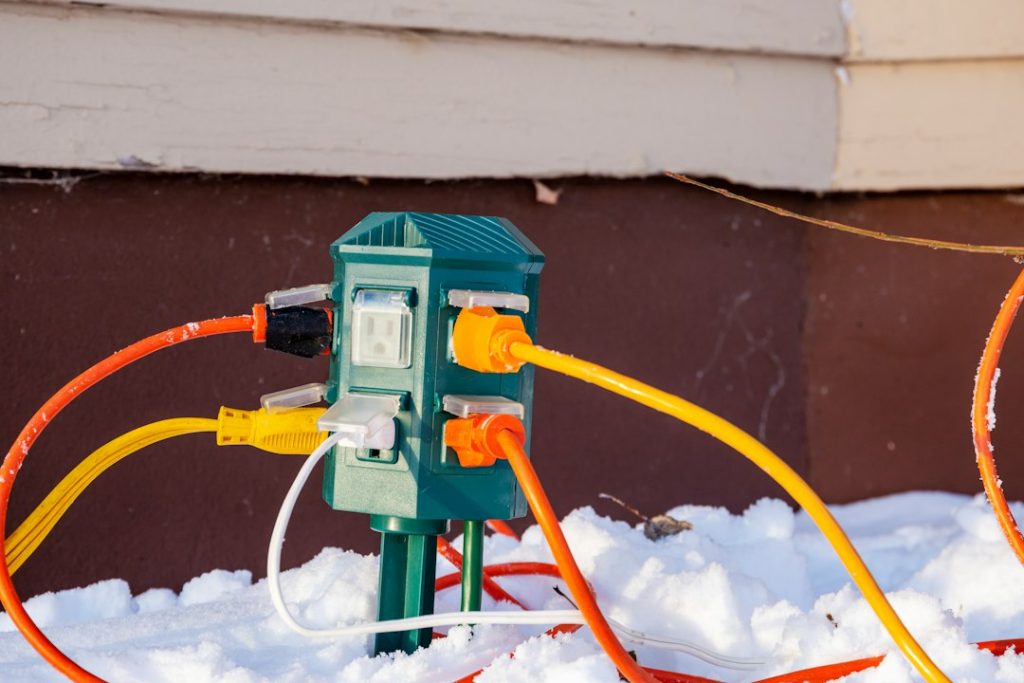
Electric tools draw current. The longer and thinner the cable, the more resistance you add. That can mean voltage drop, heat and weaker performance at the tool.
Warning signs
- Mainit ang plug o cable
- Amoy sunog/plastic
- Tool sounds weak under load
- Loose sockets or sparking
- Extension is still tightly coiled while carrying a heavy load
Never “solve” heat by ignoring it
If a plug, socket or cable is unusually hot, stop using it and inspect the setup. Do not tape over damaged insulation and continue working. Replace unsafe cords and connectors.
Match the extension to the job
A phone charger and an angle grinder are not the same load. Heavy tools need cable and connectors appropriate for their current draw and length of run.
Uncoil under heavy load
A tightly coiled extension can trap heat. For higher-load tools, lay out the cable safely rather than leaving a large portion wound on a reel.
Keep it away from water
Especially on construction sites and carwash areas, protect connections from wet floors and rain. Use proper outdoor-rated equipment and protection appropriate to the circuit.
Quick extension-cord selection worksheet
Before buying, record: the tool’s rated volts and amps or watts; the intended distance from outlet to tool; whether use is indoors or outdoors; plug and connector rating; and whether multiple loads will share the cord.
- Read the tool nameplate and manufacturer instructions.
- Match the extension’s rated current and permitted length to the load, with appropriate guidance for conductor size and voltage drop.
- Check the entire cord and connectors for cuts, loose fit, overheating, and damaged insulation.
- For construction or damp locations, follow electrical protection requirements; suitable residual-current/ground-fault protection may be necessary.
- Route the cord away from traffic, heat, sharp edges and standing water. Fully uncoil reels when required by their load ratings.
Stop immediately if you smell burning plastic, see discoloration or sparks, or find a hot or loose plug. Never defeat grounding, adapt damaged connectors or put a higher-power tool on a cord merely because the plugs fit.
When an extension cord is not the answer
For repeated work far from a safe outlet, compare the total cost of an appropriately rated temporary electrical setup or cordless equipment instead of connecting multiple household extension cords together. Our corded-versus-cordless guide explains the trade-off; budget versus premium tools discusses cost beyond the sticker price.
Do not buy an extension based only on generic claims such as “heavy duty.” Use the actual load rating, cable length and plug compatibility. If no verified SAVG listing matches those requirements, ask for a suitable item rather than ordering an unrelated accessory.
The cheapest extension can become the expensive part
If a bad cable causes downtime, damages a plug, or contributes to a tool failure, the “savings” disappear quickly.
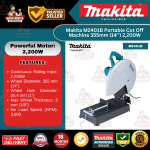
If you’re unsure what extension setup fits your drill, grinder, cut-off machine or other equipment, bring the tool’s wattage/current label to SAVG or ask the Tool Advisor.