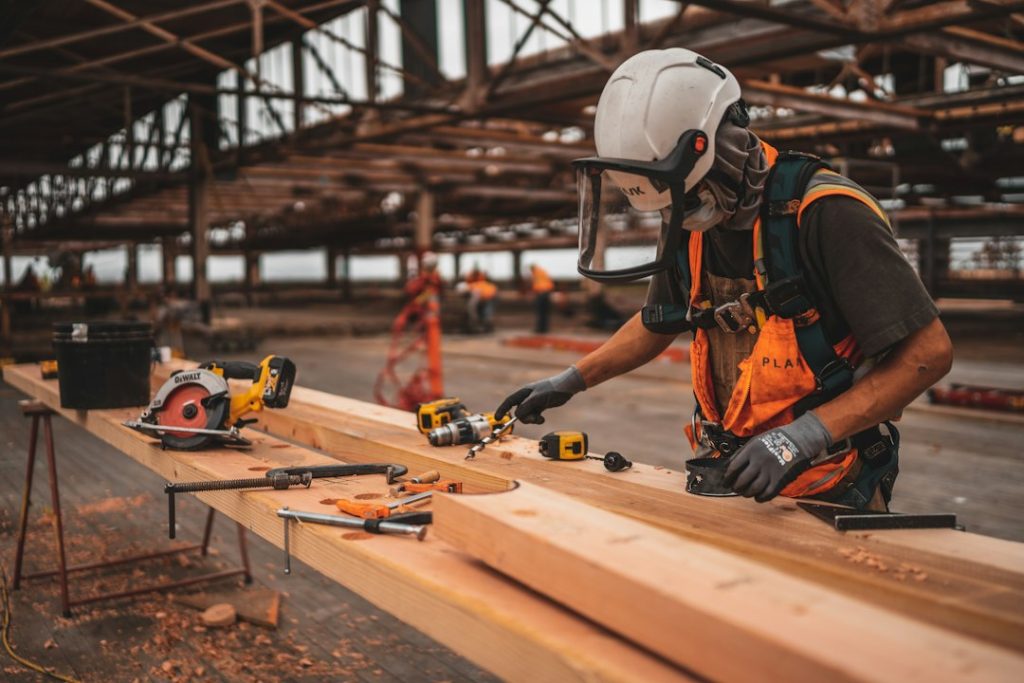
Nasa hardware ka. Parehong tool ang hawak mo. Isa may battery. Isa may wire.
“Ano mas okay—cordless o corded?”
The answer is not “cordless.” It is also not “corded.” The better question is: ano ang trabaho mo, gaano katagal, at saan mo gagamitin?
Cordless: freedom ang binibili mo
Great when you move around a site, work on roofs, gates, vehicles, cabinets or places where sockets are inconvenient. Less cable also means less setup time.
But remember: battery runtime, charging and battery replacement are part of the cost. A cheap bare tool can become expensive if you still need battery and charger.
Corded: continuous power ang strength
If you work near an outlet and run the tool for long periods—grinding, drilling or shop work—a corded tool can be simpler. No waiting for batteries and no battery ecosystem to maintain.
Which one fits you?
| You are… | Usually lean toward… |
|---|---|
| Homeowner doing occasional repairs | Either; choose convenience and budget |
| Installer moving room to room | Cordless |
| Fabricator working at one bench all day | Corded can make more sense |
| Contractor already invested in one battery platform | Cordless ecosystem becomes more valuable |
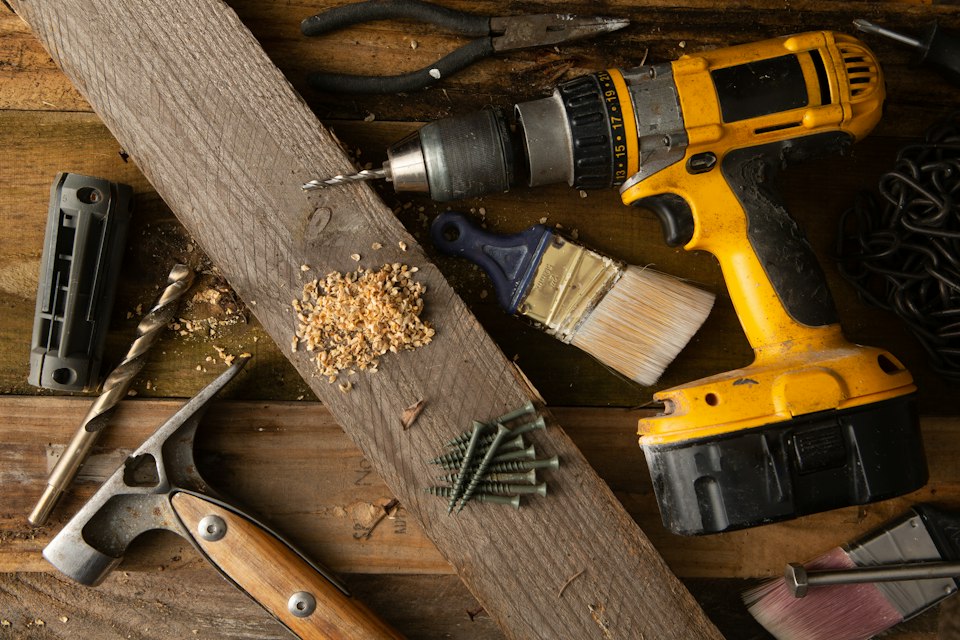
Hidden cost: batteries

When comparing prices, don’t compare tool body vs complete corded tool. Compare the working setup: tool + battery + charger + spare battery if needed.
Hidden cost: extension cords
Corded is not automatically trouble-free either. A thin or overly long extension can cause voltage drop, heat and poor tool performance. Use the right cable for the load.
Compare the total working setup—not just the tool
Example: you’re installing shelves in several rooms. A cordless drill may save setup time. But the true kit cost includes compatible batteries, charger, bits and the correct anchors. If you work beside a protected outlet all day, corded power may be simpler.
| Question | Why it matters |
|---|---|
| How many hours per day? | Duty cycle and charging interruptions |
| Where will you work? | Mobility versus safe power access |
| Do you already own batteries? | Platform compatibility and long-term cost |
| What material and hole diameter? | Torque, bit and drilling-mode requirements |
Three common shopping mistakes
- Comparing bare tools to complete kits: verify whether charger and batteries are actually included.
- Choosing by voltage alone: application, bit system, mode, rated capacity and durability matter.
- Assuming any extension is safe: a corded tool still needs a properly rated and protected supply; read our extension-cord safety guide.
For occasional DIY work, buying the appropriate bits and accessories for your existing drill may be more useful than buying a second machine. Compare total ownership cost with our budget-versus-premium tool guide.
Our rule
If mobility saves you time every day, cordless can easily earn its extra cost. If the tool stays in one work area and runs continuously, corded can still be the smarter buy.
Tell the SAVG Tool Advisor what material you work on, how often you use the tool and where you work. That is a better basis than choosing by trend.