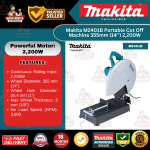

Maayos pa ba ang grinder o drill mo pagkatapos ng maraming projects? Five small maintenance habits can help protect the tool, but always follow the specific manufacturer’s instructions.
Before maintenance, disconnect the plug or remove the battery where the manufacturer permits. Let hot components cool. Never service a powered tool, defeat guards or open a motor housing without the necessary training.
01 / Remove dust safely
Build-up around ventilation can contribute to overheating. Use the cleaning method approved by the maker; some methods of blowing dust can push contamination inside. Keep silica and other hazardous dust controlled with suitable extraction and PPE.
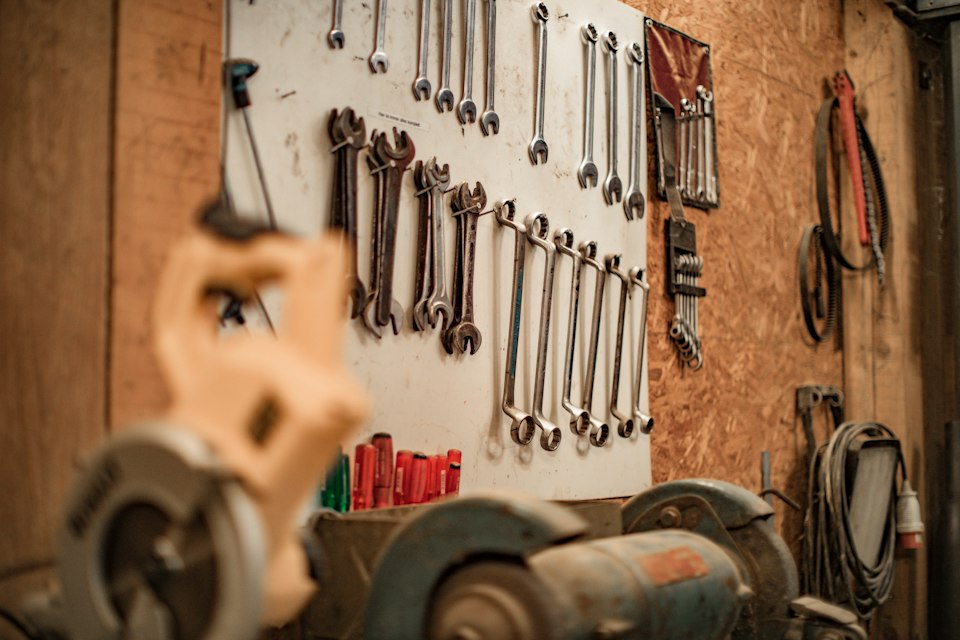
02 / Check brushes, bits and cutting accessories
Inspect for wear and cracks before operating. Match the accessory’s diameter, spindle and speed rating to the tool. Never run a damaged grinder disc. Replace consumables rather than forcing a dull one into harder work.
03 / Watch for unusual heat, sound or vibration
New grinding noises, smoking, sparking, burning smell and wobbling are reasons to stop. Unplug the tool or isolate its battery safely, then seek service advice. Don’t troubleshoot energized machinery by touching rotating components.
04 / Care for batteries properly
Use the correct manufacturer-approved charger, avoid impact and heat exposure, and stop using swollen or damaged packs. Check individual model storage guidance rather than applying a universal charging rule.
05 / Store tools dry and organized
Clean and inspect before storing; guard cutting edges, keep cords free from tight kinks, and prevent moisture and corrosion. Keep accessories labeled so staff do not mix incompatible discs, bits or chargers.
- Disconnect power and wait for full stop.
- Inspect tool, guard, cable and battery.
- Remove dust using the correct procedure.
- Check accessories for damage or wear.
- Store clean and dry.
- Log problems before the next shift.
If you’re selecting a different tool for a recurring workload, compare corded and cordless options or total ownership costs. Ask the SAVG Tool Advisor before ordering parts.