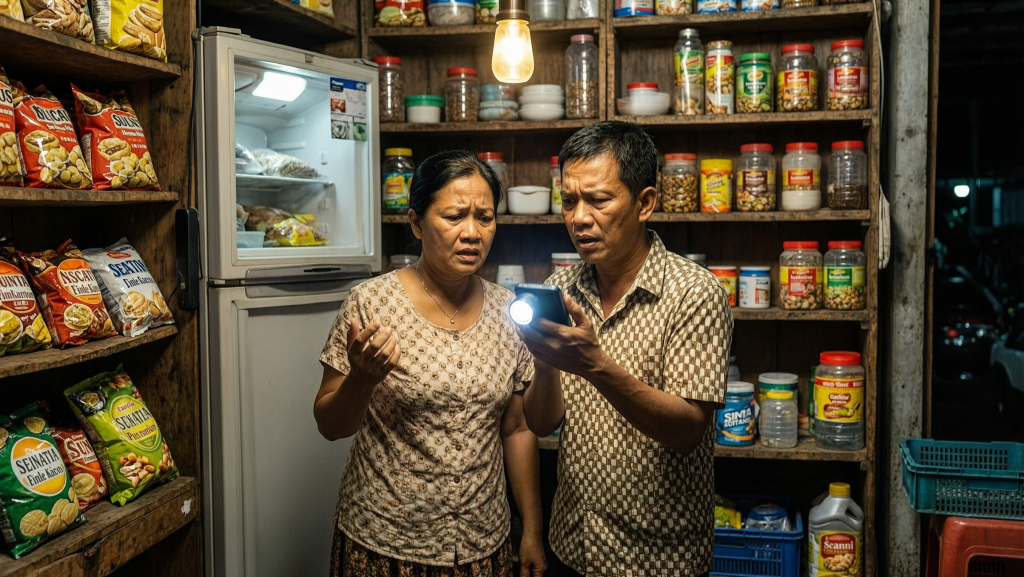
Brownout na naman. Naka-off ang ilaw, tumigil ang electric fan, at ang ref o freezer mo tuloy pa rin ang trabaho—pero wala nang kuryente. Kung may sari-sari store, mini grocery, pharmacy, repair shop, o maliit na negosyo ka, ang tanong ay hindi lang “Anong generator ang mura?” Ang mas importanteng tanong ay:
“Anong size ng genset ang sapat para tuloy ang negosyo ko?”
Good news: puwede natin itong tantiyahin nang simple. Hindi mo kailangang maging electrician para magkaroon ng magandang starting point.
Step 1: Piliin lang muna ang kailangan talagang paandarin
Kapag brownout, hindi mo kailangang buhayin lahat. Unahin ang essentials: ilaw, ref o freezer, electric fan, Wi-Fi, POS o laptop, CCTV, at iba pang bagay na kailangan para makapagbenta.
Step 2: Tingnan ang wattage sa label
May label ang appliances na nagsasabi ng watts (W). Isulat iyon. Kung walang watts pero may volts at amps, huwag manghula—ipacheck muna.
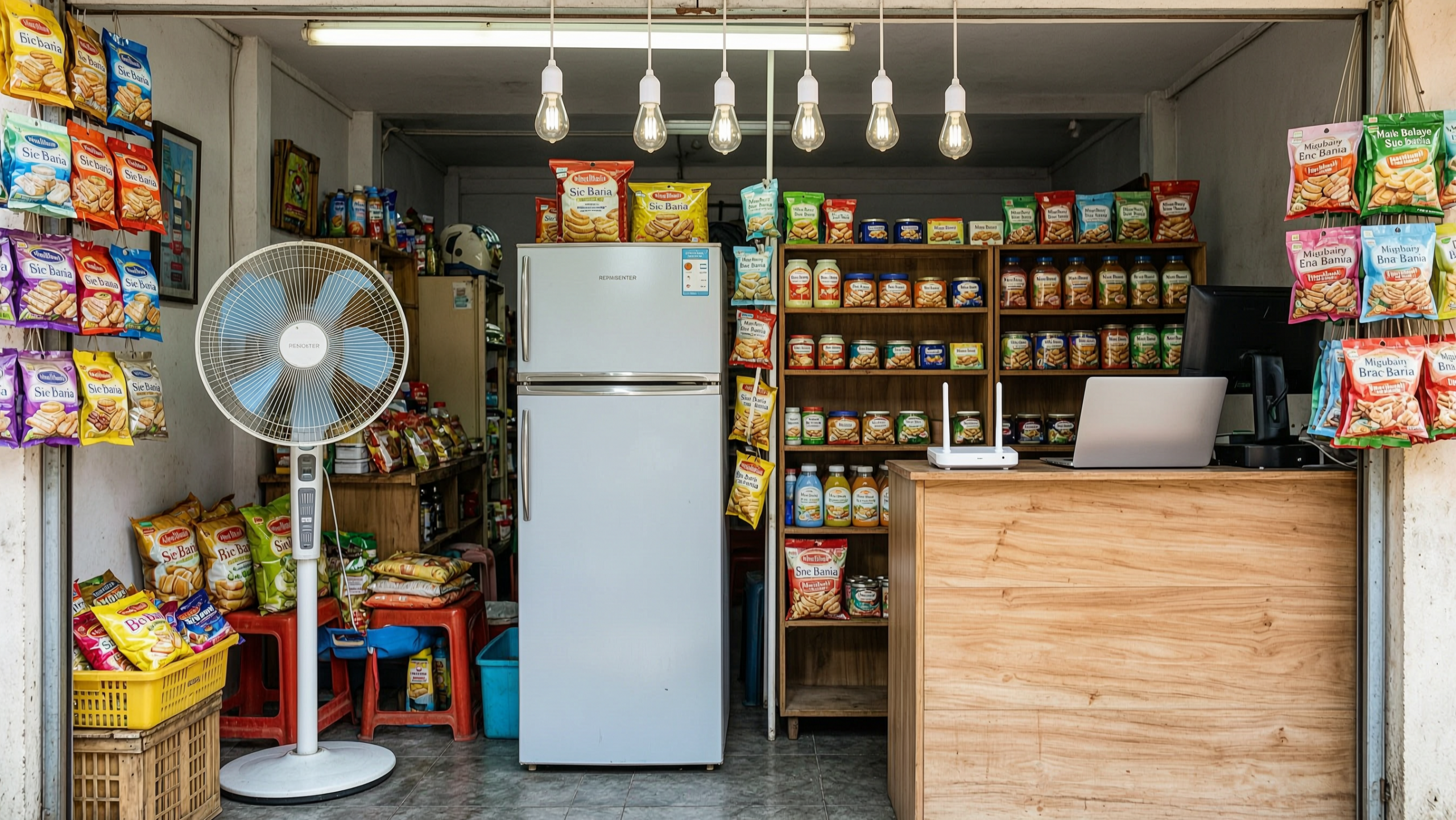
Example 1: Maliit na sari-sari store
| Appliance | Example running load |
|---|---|
| 4 LED bulbs | 40W |
| 1 electric fan | 60W |
| Wi-Fi router | 15W |
| POS / laptop | 75W |
| 1 refrigerator | 150W |
| Estimated running load | 340W |
Kung running load lang ang titingnan, parang maliit lang. Pero may compressor ang ref. Kapag nag-start iyon, puwede itong humingi ng mas mataas na power saglit. For this example, a practical starting class is around 1.5–2.0kW rated output, then confirm the actual refrigerator starting requirement before buying. Ibig sabihin: huwag bumili ng 500W genset dahil lang 340W ang running total. Kulang ang allowance.
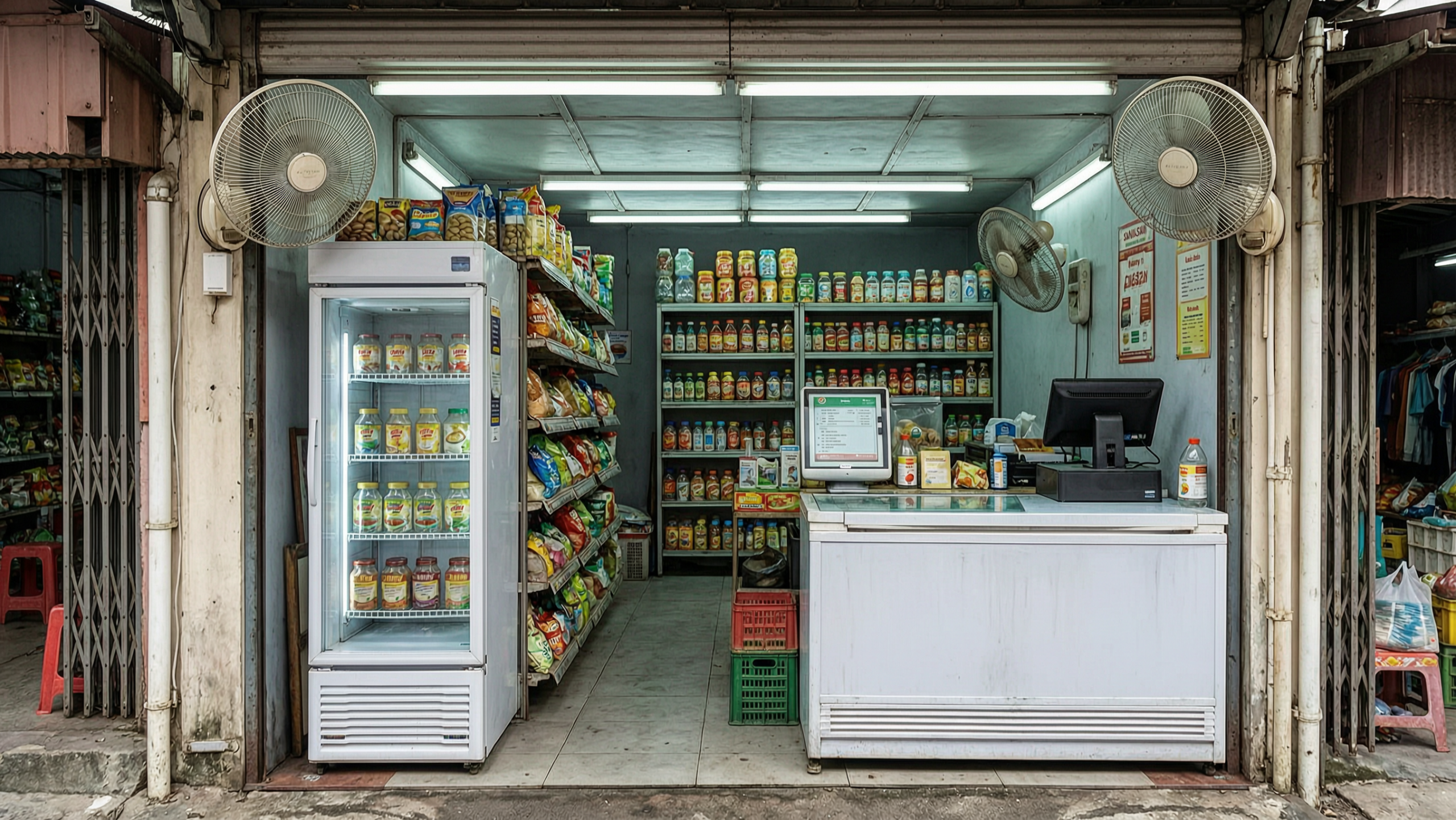
Example 2: Mini grocery na may ref + freezer
| Appliance | Example running load |
|---|---|
| 6 LED bulbs | 60W |
| 2 electric fans | 120W |
| Wi-Fi + POS | 100W |
| 1 refrigerator | 180W |
| 1 chest freezer | 250W |
| Estimated running load | 710W |
Dito mas importante ang startup allowance dahil dalawang compressor ang puwedeng mag-cycle. For this example, start comparing units around the 2.5–3.5kW rated-output class, then check the actual labels of the refrigerator and freezer.
Quick guide: saan ka malamang papasok?
| Typical setup | Practical starting point* |
|---|---|
| Lights + fan + Wi-Fi + one small ref | 1.5–2.0kW rated |
| Ref + freezer + lights + fans + POS | 2.5–3.5kW rated |
| Several coolers/freezers, pump, aircon, or heavier equipment | Calculate individually; often 4kW+ depending on loads |
*These are practical examples, not a substitute for checking the actual appliance labels and generator rated output.
So what should you do before buying?
Take photos of the electrical labels on the appliances you want to run. Then write down which ones must operate at the same time. From there, we can calculate the running load, identify the appliances with startup surge, and narrow down the correct generator class.
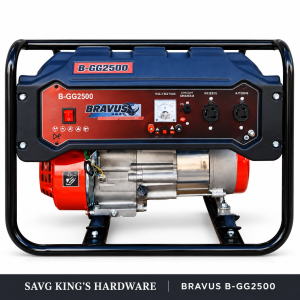
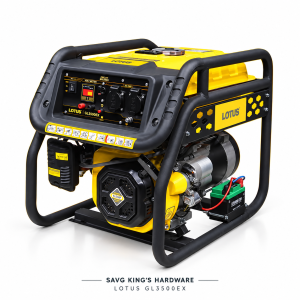
Generator models you can compare at SAVG
Once you know your required size, that is when product shopping makes sense.
Generator safety before you connect anything
Portable fuel generators belong outdoors, away from doors, windows and vents. Never use a running fuel generator in a store interior, garage, balcony or other enclosed or semi-enclosed space. Carbon monoxide can be fatal even when the exhaust smell is not obvious.
Do not backfeed a building by plugging a generator into a wall outlet. If connecting to fixed wiring, engage a qualified electrician for a compliant transfer system. Follow the manufacturer’s grounding, cable, load and weather guidance.
For refrigerators and freezers, confirm both running wattage and startup requirements. Do not rely on peak power advertising instead of continuous rated output. Protect perishables using appropriate food-safety guidance during extended outages.
From a rough estimate to an actual shopping decision
- List only the essential loads.
- Record each equipment nameplate and whether it has a motor or compressor.
- Estimate simultaneous running power and verified startup surge.
- Match to the generator’s continuous rated output and suitable connections.
- Compare model specifications and ask a professional where uncertain.
If you use a cord-connected tool or other temporary supply, read the extension-cord safety guide as well.
Still not sure? Send us the labels.
This is where SAVG can help without guessing. Take clear photos of the labels on your ref, freezer, fan, pump, POS, or other equipment and use the SAVG Tool Advisor or ask our team. The goal is simple: enough generator to keep the important things running—without paying for a machine that is far bigger than what you need.