May lumuwag na cabinet hinge. May kailangang ikabit na curtain rod. May tumutulong gripo. May picture frame na gustong isabit.
Then comes the familiar line: “Wala tayong gamit.”
You don’t need a complete workshop. For most Filipino homes, a small set of the right tools is enough.
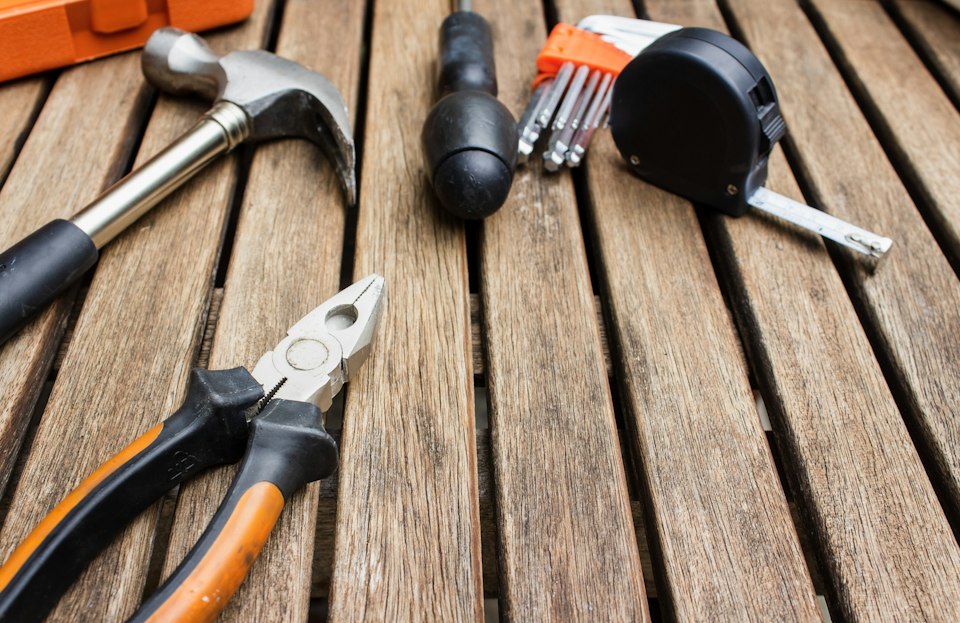
1. Measuring tape
The cheapest mistake-preventer. Measure before buying shelves, curtains, appliances, pipe or furniture.
2. Screwdriver set
For switches, furniture, appliances and basic tightening. A set with common Phillips and flat sizes covers many household jobs.
3. Combination pliers
Useful for gripping, bending and basic wire work. For live electrical work, however, use proper insulated tools and know when to call an electrician.
4. Adjustable wrench
Good for simple plumbing connections, nuts and household repairs where you don’t own a full wrench set.
5. Hammer
Still one of the most useful household tools—nails, light repairs, removal and adjustment.
6. Drill
If you regularly hang shelves, install fixtures or assemble furniture, a drill saves enormous time. Choose corded vs cordless based on how often and where you work.
7. Basic electrical tester
Useful for basic checking, but it is not permission to work on circuits beyond your skill. Electricity is where DIY should have clear limits.
What about an angle grinder?
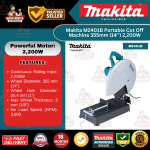
Excellent tool, but not a “must for every household.” If you regularly work with metal, masonry or fabrication, then it becomes far more valuable. Otherwise, buy for the jobs you actually have.
Match each tool to a real household problem
| Problem | First tool to consider | Important check |
|---|---|---|
| Loose cabinet hinge | Screwdriver | Match the head type and size |
| Leaking threaded fitting | Adjustable wrench | Identify fitting and isolate the water first |
| Hanging a shelf | Measuring tape and suitable drill | Identify wall substrate and anchor capacity |
| Small fastener removal | Pliers or correct socket | Avoid stripping the head |
Starter kit buying decisions
Buy the basic hand tools you will actually use before purchasing several cordless machines. For example, a paint brush is helpful for small touch-ups, but it isn’t a substitute for properly repairing a leaking wall; a power drill is valuable if you regularly install fixtures, but only after you know the wall and fastener requirements.
Safety boundary: a basic electrical tester may help identify some conditions, but it cannot make live electrical work safe for an untrained person. Ask a qualified electrician for circuit repairs and hidden-wiring concerns. Avoid heavy overhead anchors without appropriate load verification.
Build your kit over time
Start with measurement, fastening and simple plumbing tasks. Add a drill or other power tool only when you have a specific recurring job. If you are still deciding which powered system to buy, read Cordless vs Corded and Budget vs Premium for practical comparisons.
The point is not to collect tools
The point is to have enough capability that a 10-minute repair does not become a two-week inconvenience.
Need to build a starter set around your actual home projects? Tell the SAVG Tool Advisor what you usually fix and we can narrow it down.