
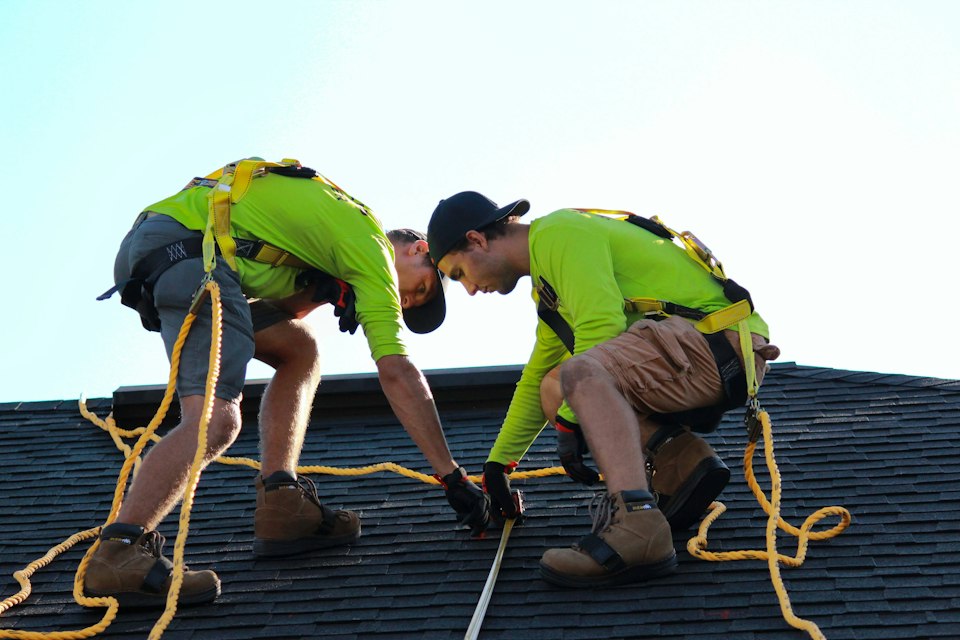
May tumutulo tuwing malakas ang ulan? Huwag agad bumili ng isang malaking timba ng waterproofing. Ang tamang pagkukumpuni ay nakadepende kung saan pumapasok ang tubig at anong materyal ang bubong mo.
QUICK DIAGNOSIS
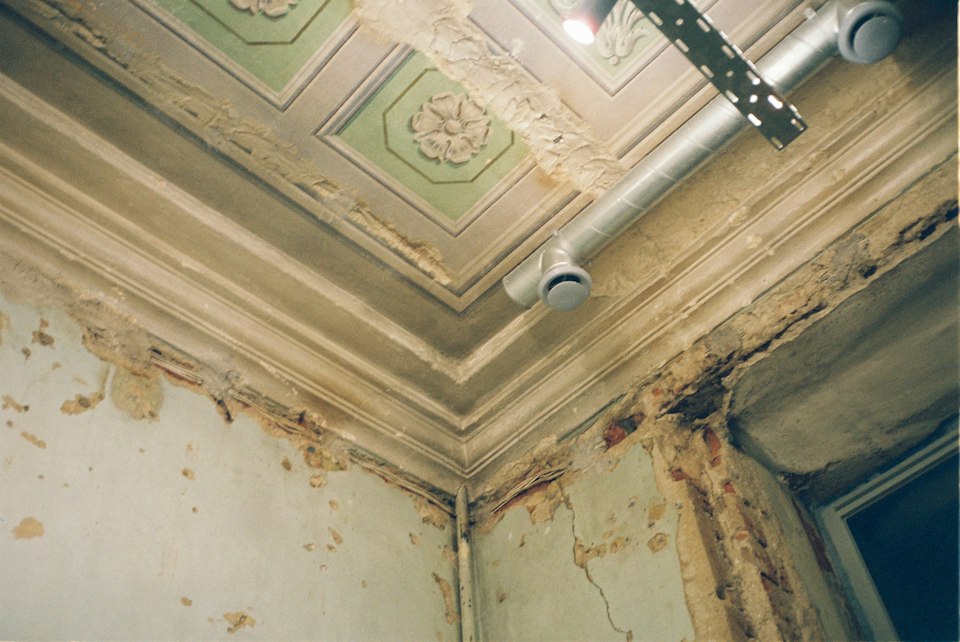
Where is water entering? Investigate roof screws, overlaps, flashing, roof-to-wall joints, gutters and cracks. A ceiling stain is not always directly below the hole. Water can travel along framing before dripping.
Never climb on a wet, steep, fragile or storm-exposed roof. Arrange a qualified roof professional for elevated inspections and repairs.
01 / Trace the leak before choosing a repair
Start from inside: document exactly when the leak appears. Does it happen during all rainfall, wind-driven storms, or only after gutters overflow? Photograph the stain and note nearby penetrations such as vents, pipes and wall junctions. Exterior inspection should be performed safely, from an appropriate vantage point or by a competent contractor.
A useful observation chart
- Near roof screws: worn washers, loose fixings or damaged sheets may need proper fastener replacement.
- At wall intersections: flashing, sealant compatibility or installation defects may be involved.
- At sheet overlaps: overlap orientation, corrosion and movement matter.
- After gutter overflow: drainage blockage or incorrect slope may be the underlying issue.
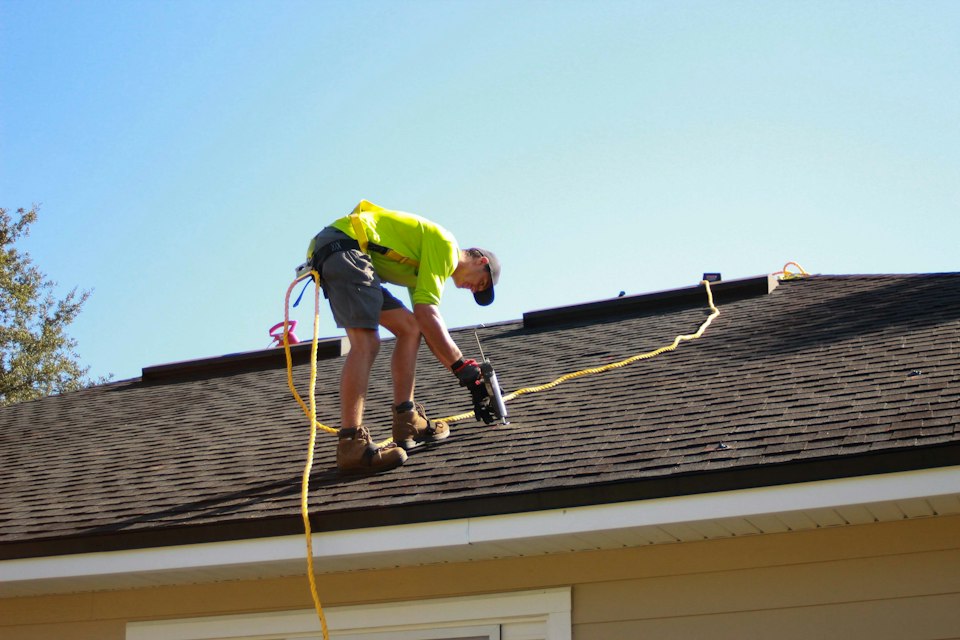
02 / Match the repair to the actual roofing material
Painted metal sheet, concrete roof deck, fiberglass, flashing and masonry joints do not necessarily accept the same coating or sealant. For sheet-metal repairs, consider movement, corrosion and the manufacturer’s recommended joint preparation. For a concrete deck, diagnose structural cracks and whether a continuous waterproofing system is required rather than simply filling one visible line.
Do not cover rust, wet surfaces or poorly bonded old coatings and expect a permanent fix. Clean, prepare and dry as the repair material’s instructions require. If the sheet or flashing is severely damaged, replacement may be more reliable than layering sealant onto a failing substrate.
03 / Determine whether sealant, flashing or waterproofing is appropriate
Joint-specific leak? A compatible elastomeric sealant or correctly installed flashing detail might be suitable, after verifying movement and substrate.
Failed fastening point? A correctly specified replacement screw and washer may matter more than a blob of sealant.
Broad roof-deck seepage? You may need a coherent waterproofing system, not isolated patches.
Drainage problem? Restore drainage first before considering a surface coating.
04 / What should you buy—and what should you NOT buy yet?
Relevant materials to compare after diagnosis
If the repair calls for a compatible elastomeric waterproofing coating rather than a small joint sealant, review Primero Multi-Seal Elastomeric Waterproofing. Check the manufacturer’s permitted roof substrates, system preparation and application details first—it’s not a universal answer for loose fasteners or failed flashing.
For suitable discrete seams and joints, a Fedseal elastomeric sealant may be worth comparing only if the joint material, exposure and movement fit the manufacturer’s specifications. For a specified reinforced coating system, review Primero waterproof reinforcement fiber cloth if the membrane manufacturer recommends reinforcement.
Rule: identify the failure first; then check surface compatibility, cure conditions and the actual product label before purchasing.
Photograph the roof material and suspected entry point, note whether the issue is a seam, flashing, penetration or deck, and ask for a material-compatible recommendation. SAVG carries waterproofing and adhesive categories, but a product is only appropriate if its technical application instructions match your surface and problem. It is better to recommend a professional flashing repair than sell the wrong sealant.
For projects needing paint after the underlying moisture problem is fixed, our upcoming bedroom painting and surface preparation guide explains why painting over moisture fails. That related guide is currently being reviewed and will become clickable when published.
05 / Pre-purchase checklist
- Identify whether the ceiling leak appears in light rain, heavy rain or strong wind.
- Record photographs from a safe location; do not walk on unsafe roofs.
- Identify the roof material and junction type.
- Check drainage, flashings, fixings and penetrations.
- Confirm substrate preparation and recommended cure conditions from the selected manufacturer.
- Ask whether replacement or professional repair would be better than sealant.
- Purchase the verified compatible materials only after the repair method is clear.
FAQs
Can I just use silicone to stop every leak?
No. Different roof systems require different movement capacity, adhesion, ultraviolet resistance and compatibility. Generic silicone is not a universal roof repair.
Why does the leak return after waterproofing?
The original water path may remain untreated, movement may reopen a joint, or substrate preparation and material compatibility may have been inadequate.
Should I wait for sunny weather?
Many systems have strict dry-surface and weather application requirements. Follow the material’s instructions and prioritize safe access.
Practical next step
Describe the roofing material and leak location to the SAVG Tool Advisor. If a verified repair product fits your actual situation, we can help identify it. If the repair needs a roofer, professional inspection is the better first step.
Local shopping: qualifying purchases of ₱1,500 or more can receive free delivery within Tuguegarao, subject to checkout terms.